After completing installations across Volusia County, we've learned something consistent: the homeowners who feel worse about their replacement experience rarely had a problem with how long the job took. They had a problem with what didn't happen before the crew left. A refrigerant charge that was never verified. Ductwork that was never tested. A system that was installed but never commissioned to perform in Florida's specific humidity and heat load.
A timeline conversation is really a quality conversation in disguise. Here's what this page covers:
What a proper single-day replacement realistically includes — from equipment staging through final commissioning.
Which home and system factors legitimately extend a job from one day to two.
Why the steps that take the most time are the ones most worth protecting.
What Volusia County permit requirements mean for your scheduling.
How to use the timeline discussion in your estimate appointment to evaluate top HVAC system replacement near Deltona FL and read a contractor's standards before a single tool comes out of the truck.
If you've been quoted a four-hour replacement with no mention of commissioning, load verification, or duct testing — this page is worth your time before you sign anything. In Deltona's climate, a fast installation and a good installation are not the same thing. Here's what the right one actually looks like.
TL;DR Quick Answers
Top HVAC System Replacement Near Deltona, FL
The best HVAC replacement in Deltona isn't the fastest or the cheapest — it's the one done correctly the first time.
A complete replacement takes 6–8 hours and includes a Manual J load calculation, refrigerant verification, airflow commissioning, and Volusia County permit documentation.
Proper installation prevents the 20–30% energy penalty that affects more than 65% of improperly installed systems nationwide.
Florida requires a state-licensed contractor to pull a permit before installation begins.
Verify any contractor's license at the Florida DBPR before scheduling.
A replacement that checks every box costs more time upfront. In Deltona's climate, it saves significantly more money over the life of the system.
Top Takeaways
The timeline is a quality signal. A two-hour replacement quote means steps were skipped.
More than 65% of residential HVAC systems are improperly installed. In Deltona's climate, the resulting 20–30% energy penalty compounds every month for the life of the system.
A complete single-day replacement takes 6–8 hours. Significantly less means no load calculation, no refrigerant verification, no airflow commissioning, and no documentation.
Volusia County requires a permit before installation begins. No permit means the job isn't legal — and you won't have the documentation you need when you sell.
The efficiency rating on the box only applies if the installation was done right. A rushed high-SEER install will underperform a properly commissioned mid-grade system.
What a Standard HVAC Replacement Day in Deltona Actually Looks Like
Most Deltona homeowners are told to expect a one-day installation. That's accurate for the majority of jobs — but what that day includes varies significantly from one contractor to the next.
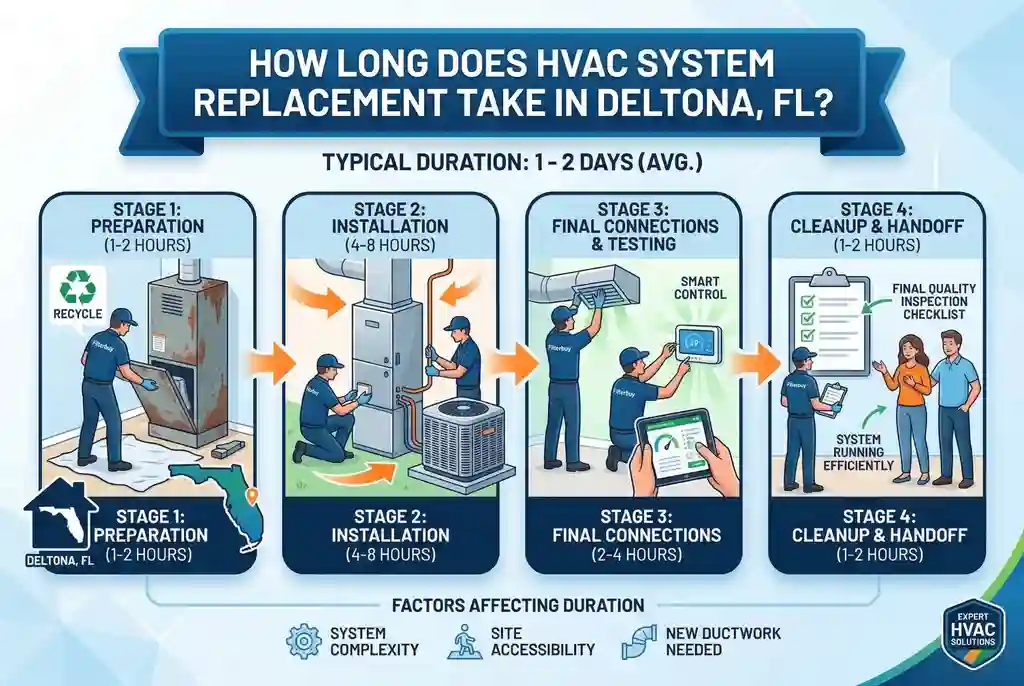
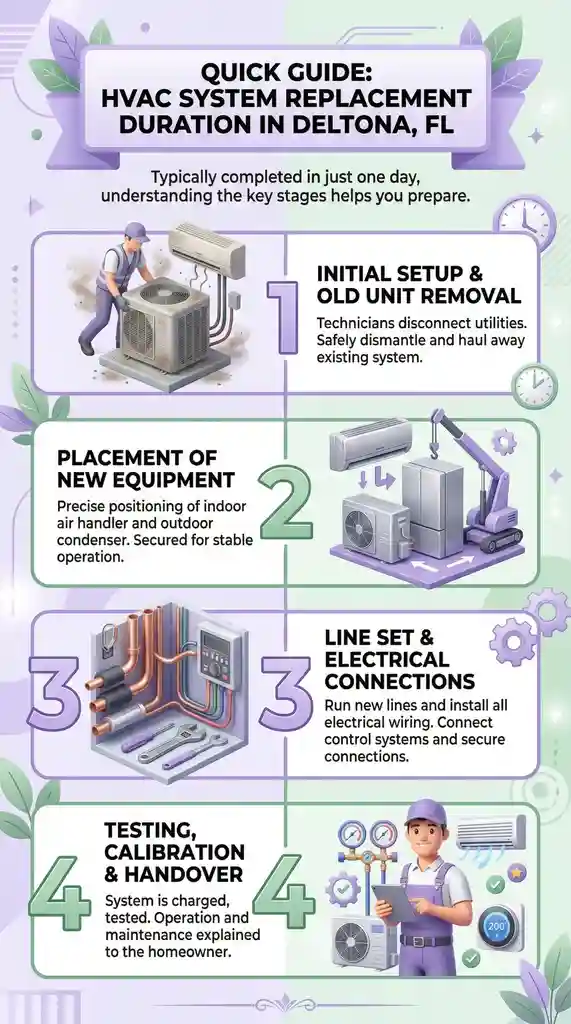
A properly executed single-day replacement in Volusia County typically covers:
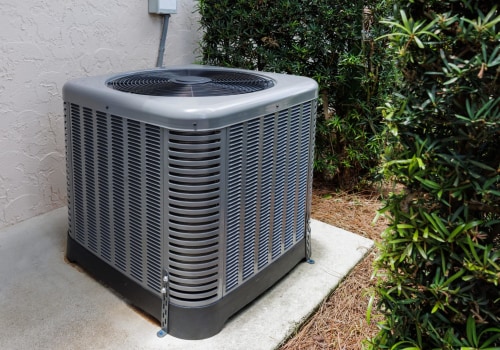
Equipment staging and site preparation. The existing system is shut down, refrigerant is recovered per EPA requirements, and the work area is protected. This step alone is often rushed by contractors focused on speed over process.
Removal of existing equipment. The old air handler, condenser, and associated components are disconnected and removed. Ductwork connections are inspected at this stage — not assumed to be acceptable.
New equipment installation. The replacement system is set, connected, and wired. For a matched system with an AHRI certificate, this includes confirming the indoor and outdoor components are the pair that was specified.
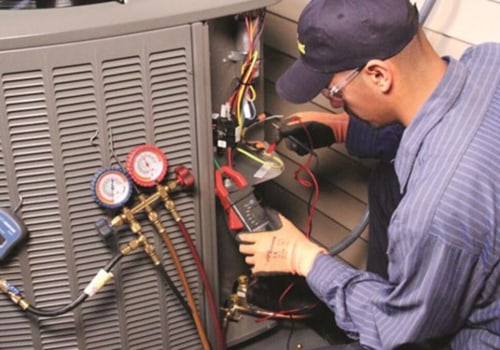
Refrigerant charging. Not estimated. Measured. An undercharged or overcharged system loses moisture removal capacity and efficiency from day one. This step requires time and instrumentation — and is the step most commonly skipped on fast jobs.
Airflow commissioning. Blower speed and static pressure are verified against the system's specifications for your home's duct configuration. Too much airflow reduces dehumidification. Too little reduces cooling capacity.
Final system testing and documentation. The system runs through a full operational check. Thermostat calibration, drain line flow, and condensate pan condition are all verified before the crew leaves.
A job that includes all of these steps typically runs six to eight hours for a standard Deltona home during a proper HVAC replacement service. A job that skips several of them can be done in three.
What Extends an HVAC Replacement Beyond One Day
Certain factors legitimately push a replacement into a second day. In our experience across Volusia County, the most common are:
Ductwork repairs or modifications. If the estimate reveals duct leakage, disconnected sections, or undersized runs, those issues need to be addressed before the new system is commissioned. Installing high-efficiency equipment onto a compromised duct system hands back much of the performance improvement before it starts.
Electrical upgrades. Newer high-efficiency systems — particularly variable-speed heat pumps — may require a dedicated circuit or panel upgrade that wasn't needed for the previous equipment. This is identified during the estimate, not discovered on installation day.
Permit processing. Volusia County requires permits for HVAC replacement work. In most cases, permits are pulled in advance and inspections are scheduled around the installation. Processing timelines vary and should be confirmed during your estimated appointment.
Larger or multi-system homes. Homes over 2,500 square feet, two-story layouts, or properties with multiple systems require additional staging, equipment positioning, and commissioning time. These aren't complications — they're variables that a thorough estimate accounts for in advance.
Unforeseen structural or access issues. Attic access limitations, damaged equipment pads, or corroded line sets occasionally surface during removal. A contractor worth trusting identifies as many of these as possible during the estimated visit — and communicates immediately when something unexpected comes up during installation.
Why the Commissioning Steps Take Time — and Why That Time Matters
The part of an HVAC installation that most directly determines whether a Deltona home actually becomes comfortable is the part that takes place after the equipment is physically installed.
Commissioning is not a formality. In Florida's climate, it's the step that determines whether a system controls humidity or just lowers temperature.
What proper commissioning involves:
Refrigerant charge verification. Measured with manifold gauges against manufacturer specifications for the actual conditions present — not estimated based on line set length.
Airflow testing. Verified against the system's engineered specifications for the home's duct configuration. This step directly affects humidity removal per cycle.
Duct leakage assessment. Leaky ducts in a humid Florida attic reintroduce unconditioned air into the supply stream — undermining every other commissioning step.
Thermostat calibration and system sequencing. The control system is verified to operate within the parameters that allow variable-speed equipment to modulate — and dehumidify — the way it was designed to.
U.S. Department of Energy research confirms that installation faults including incorrect refrigerant charge, low airflow, and duct leakage can increase energy use by up to 30%. In Deltona, where systems run hard for most of the year, those faults compound on every utility bill for the life of the system.
A four-hour installation almost certainly didn't include this. An eight-hour installation that did is the better investment — by a significant margin.
How to Use the Timeline Conversation to Evaluate Your Contractor
In our experience across Volusia County, the timeline discussion in an estimate appointment is one of the most revealing conversations a homeowner can have with a prospective contractor — before any work begins.
Questions worth asking:
How long do you expect the installation to take, and what does that include?
Will refrigerant charge be measured after installation or estimated?
How do you handle duct leakage found during the job?
What commissioning steps are included in the quoted price?
How do you manage Volusia County permit requirements and inspections?
A contractor who answers these questions specifically and in writing is demonstrating professional HVAC replacement standards before a single tool comes out of the truck. A contractor who gives vague answers or rushes past them is communicating something equally important.
The timeline isn't just a scheduling question. In Deltona's climate, it's a quality indicator — and one of the clearest signals available to a homeowner before the job begins.
Same-Day Comfort: What to Expect When the Job Is Done Right
A properly completed HVAC replacement in Deltona should result in a home that feels noticeably different within the first hour of operation.
What that looks like:
Temperature reaching set point within the first cooling cycle.
Reduced humidity perception — the air feels different, not just cooler.
Quieter operation, particularly with variable-speed equipment at lower capacity settings.
No refrigerant odors, unusual sounds, or airflow inconsistencies across registers.
What should be in your hands before the crew leaves:
AHRI certificate confirming matched system components.
Documentation of refrigerant charge readings.
Permit paperwork and inspection scheduling confirmation.
Manufacturer warranty registration information.
A walkthrough of thermostat operation and filter replacement schedule.
A replacement done right in Deltona doesn't require a follow-up call the next week. It requires the right steps in the right order on installation day — and a crew that understands what those steps are worth in Florida's climate.
"In fifteen years of replacing systems across Volusia County, the calls we dread most aren't the ones about equipment failures — they're the ones that come two weeks after another contractor finished a job. The system runs, the house is still humid, and the homeowner has no idea why. Nine times out of ten, we find the same things: a refrigerant charge that was never verified, airflow that was never tested, and ductwork that was never assessed. The installation took four hours. The commissioning took zero. In Deltona's climate, that's not a completed job — it's a deferred problem. A proper replacement in this market takes the time it takes because the steps that protect a homeowner's investment aren't the ones that move fast. They're the ones that get done right, documented, and left behind in writing before we pull out of the driveway."
Essential Resources
The timeline question is really a quality question in disguise. After years of completing replacements across Volusia County, the homeowners who feel best about their installation experience are the ones who understood what the job was supposed to include before anyone showed up. These are the resources we'd hand to any neighbor before that conversation begins.
1. Read This First: What a Complete HVAC Installation Must Include Before Anyone Arrives
Most homeowners focus on the quote. This EPA resource shifts the focus to what the quote should actually cover — refrigerant verification, airflow testing, duct assessment, and commissioning documentation. We reference these standards on every job we complete in Deltona, and we'd encourage every homeowner to read them before evaluating any contractor's timeline. HVAC Quality Installation — ENERGY STAR
2. Understand Why the Load Calculation Comes Before Everything Else
Manual J is the ANSI-recognized industry standard for calculating a home's precise heating and cooling load — and the only accurate method for determining correct system sizing in Deltona's climate. A contractor who skips this step and sizes by square footage is communicating something important about every step that follows. This is the resource that explains why. Manual J Residential Load Calculation Standard — ACCA
3. Use This Checklist to Evaluate What Any Installation Quote Actually Covers
Before agreeing to a timeline or signing anything, a Deltona homeowner should know what that timeline is supposed to include. This EPA-backed checklist covers sizing documentation, refrigerant verification, airflow testing, and AHRI certification confirmation — the steps that separate a complete installation from one that was simply finished quickly. We use this as a benchmark on every job we do in Volusia County. 10 Tips for Hiring a Heating and Cooling Contractor — ENERGY STAR
4. Confirm Volusia County Permit Requirements Before Your Installation Date Is Set
HVAC replacement in Deltona requires a building permit — and that permit must be pulled before installation begins, not after. We pull permits for every homeowner we work with in Volusia County, but understanding the county's requirements in advance sets realistic scheduling expectations and confirms that any contractor you're considering is operating within the law before the first tool comes out of the truck. Residential Permit Information — Volusia County Building & Zoning
5. See the Research Behind Why the Steps That Take the Most Time Matter the Most
U.S. Department of Energy research confirms that installation faults — incorrect refrigerant charge, improper airflow, and duct leakage — can increase energy use by up to 30%. In Deltona, where systems run hard for most of the year, those faults show up on every utility bill for the life of the system. This is the research we reference when a homeowner asks why commissioning adds time to a job. Optimizing the Installed Performance of Residential HVAC Systems — U.S. Department of Energy
6. Know the Tax Credits Available — and What Documentation You Need Before the Crew Leaves
A qualifying replacement may be eligible for federal tax credits up to $600 for central air conditioners or up to $2,000 for qualifying heat pumps — but claiming them requires specific documentation that must be collected on installation day. We remind every Deltona homeowner about this before the job starts, because the paperwork that gets missed on installation day is the paperwork that costs money at tax time. Energy Efficient Home Improvement Credit — IRS.gov
7. Verify Your Contractor's License Before Installation Day — Not After
A building permit for HVAC replacement in Florida can only be pulled by a licensed contractor — and verifying that license takes less than two minutes. We'd encourage every Deltona homeowner to run this check on any contractor they're considering, including us. A contractor without a valid state license can't legally pull the permit your replacement requires — which means the job either doesn't get documented correctly or doesn't get done right. HVAC Contractor License Verification — Florida Department of Business and Professional Regulation
These essential resources show Deltona homeowners how understanding installation standards, permits, load calculations, and documentation works hand-in-hand with regular HVAC maintenance to protect system efficiency, improve long-term performance, and ensure every replacement or installation is done correctly from the start.
Supporting Statistics
After completing replacements across Deltona and Volusia County, we've learned that the equipment itself is rarely the problem. How it gets installed almost always is.
More than 65% of residential HVAC systems have been improperly installed, resulting in 20–30% higher energy consumption than the equipment was rated to deliver.
The most common causes aren't dramatic failures.
They're quiet shortcuts — missed refrigerant checks, skipped airflow tests, undocumented commissioning.
They don't show up until a Deltona homeowner notices their FPL bills never came down after a new system was put in.
U.S. Department of Energy — Optimizing the Installed Performance of Residential HVAC Systems
Incorrect refrigerant charge, oversized equipment, restricted airflow, and leaky ductwork can increase heating and cooling energy use by up to 30% — the exact installation errors our technicians are trained to catch and prevent.
In Deltona, the air conditioner runs eight to nine months out of the year.
That 30% penalty doesn't disappear. It compounds, every month, for the life of the system.
NIST — Underperforming? Energy Efficiency of HVAC Equipment Suffers Due to Poor Installation
Heating and cooling account for 36% of all residential primary energy consumption. 65% of American homes depend on central air for space cooling.
In Florida's hot-humid climate, there is no shoulder season to absorb the penalty of a system that wasn't commissioned correctly.
Every skipped step costs money every month — not just in the season it happens.
U.S. Department of Energy — Investigation of the Prevalence and Energy Impacts of Residential Comfort System Faults – Hot-Humid and Hot-Dry Climates
A typical residential HVAC system can lose 20–40% of the energy available at the equipment plenum due to poor installation practices.
A brand-new, high-efficiency system installed by someone who skipped commissioning can perform worse than the aging system it replaced.
The efficiency rating on the box only applies if the installation behind it was done right.
This is what we explain to every Deltona homeowner before the job begins.
U.S. Department of Energy — Residential Central Air Conditioning and Heat Pump Installation Workshop Outcomes
These statistics highlight why choosing a top HVAC replacement service is critical—because proper installation, commissioning, and system verification directly determine whether a new HVAC system delivers its rated efficiency or wastes 20–30% more energy over its lifetime.
Final Thoughts
Most Deltona homeowners call us asking how long a replacement will take. After years of completing installations across Volusia County, we've learned that's never really the question.
The real question is whether the contractor showing up at your door plans to do the job correctly. The timeline is one of the clearest signals you have before work ever begins.
A rushed replacement isn't just an inconvenience. It's a financial decision that follows a homeowner for the life of the system.
A job completed in two hours didn't include a Manual J load calculation.
A job with no permit documentation can't be verified, inspected, or legally sold with the home.
A job with no commissioning paperwork left efficiency — and money — on the table from day one.
Federal research confirms what we see in Deltona homes every day: installation quality determines system performance far more than equipment brand or efficiency rating.
A high-SEER system installed by someone who skipped refrigerant verification will underperform a mid-grade system installed by someone who followed every step.
The hours that feel like they're slowing a job down are the hours protecting your investment.
Refrigerant charging must be measured — not estimated.
Airflow commissioning accounts for duct variation across Deltona homes — assumptions cost money.
Permit documentation satisfies county requirements and protects you if you ever sell.
Florida's climate doesn't forgive shortcuts. A system running eight to nine months a year in Volusia County's heat and humidity will surface every installation fault — through higher FPL bills, comfort complaints, and early equipment failure.
The best thing a Deltona homeowner can do before scheduling a replacement isn't to find the fastest contractor or the lowest bid. It's to understand what a complete installation actually includes — then hold every HVAC replacement company accountable to that standard, including us.
FAQ: HVAC System Replacement Near Deltona, FL
Q: How much does HVAC system replacement cost near Deltona, FL?
A: Most Deltona homeowners invest between $5,000 and $12,000 for a complete replacement.
System type, size, and efficiency rating affect cost most.
Ductwork conditions and Volusia County permit fees add to the total.
Quotes significantly below this range almost always exclude load calculations or commissioning.
A low bid that skips these steps costs more to correct than it saved upfront.
Get itemized quotes from at least two licensed Florida contractors before deciding.
Q: How long does HVAC system replacement take in Deltona, FL?
A: A properly completed replacement takes 6–8 hours for a standard single-system home.
Refrigerants must be measured and verified — not estimated.
Airflow commissioning accounts for duct variation unique to your home.
Ductwork repairs, electrical upgrades, or permit processing can extend the job to two days.
A job completed in two hours skipped something. The question is what.
Q: Do I need a permit for HVAC replacement in Deltona, FL?
A: Yes. Volusia County requires a permit before installation begins — not after.
A permit triggers a county inspection that independently verifies the work.
It protects you legally during a home sale.
It confirms your contractor is operating within Florida law.
A contractor who suggests skipping the permit is telling you how they approach every other step on the job.
Q: What size HVAC system does my Deltona home need?
A: Correct sizing requires a Manual J load calculation. Square footage alone is not enough.
Ceiling height, window orientation, insulation levels, and humidity loads all affect sizing.
Oversized systems short-cycle, fail to control humidity, and wear out faster.
Undersized systems run constantly and never reach setpoint.
Any contractor sizing by square footage is guessing. Deltona homeowners pay for that guess every month.
Q: How do I find a licensed HVAC contractor for system replacement near Deltona, FL?
A: Start with the Florida DBPR license verification tool. It takes two minutes and tells you more than any review site.
Confirm they will pull a Volusia County permit before work begins.
Ask for Manual J documentation and AHRI-certified equipment confirmation.
Request an itemized quote that includes commissioning and post-installation testing.
A contractor who resists any of these requests is showing you their process before the job starts.
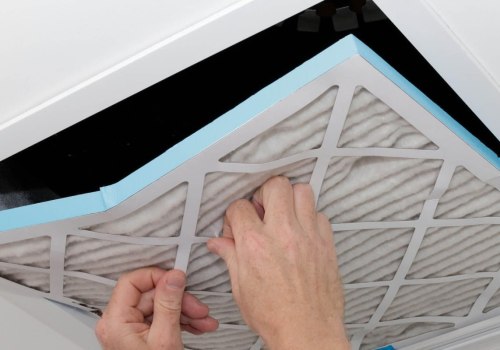
Understanding the timeline outlined in How Long Does HVAC System Replacement Take in a Deltona, FL Home? helps homeowners see why a proper installation takes several hours and includes steps like airflow testing, refrigerant verification, and system commissioning. While the replacement process focuses on installation quality, ongoing system performance also depends on consistent filtration and maintenance after the job is complete. Using reliable options like 15x20x1 pleated furnace air filters helps capture dust and airborne particles that can restrict airflow and reduce efficiency. Likewise, 20x25x2 MERV 8 HVAC furnace air filters support balanced filtration and proper airflow so systems can run efficiently in Deltona’s humid climate. For additional replacement options, homeowners may also consider HVAC furnace air filter replacements to keep their system operating smoothly between service visits. Maintaining proper filtration complements the installation standards discussed in the article and helps ensure a new HVAC system continues performing as expected long after the replacement is complete.